
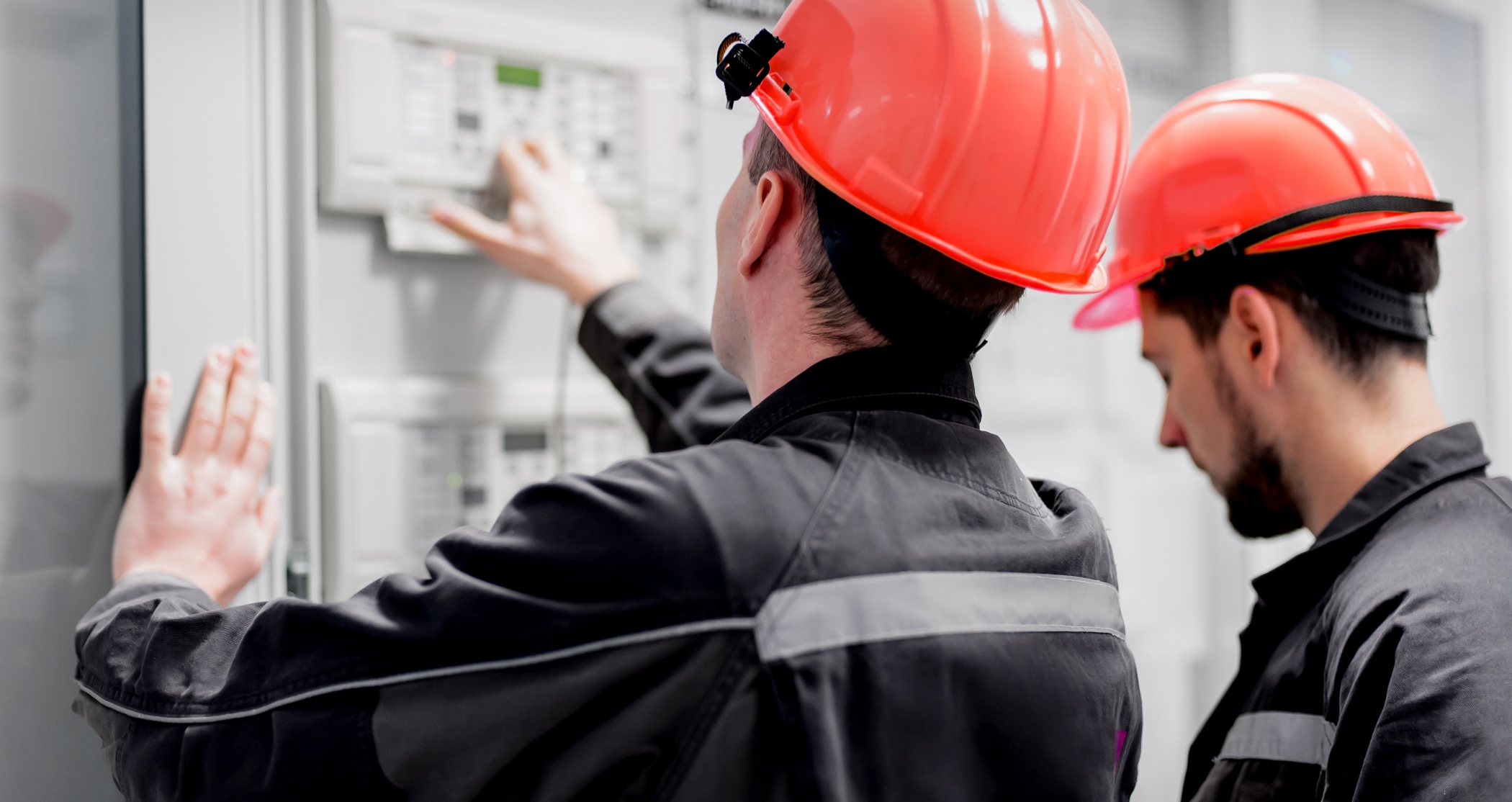
To figure out just what those needs are, Skedulo interviewed deskless workers in the U.S. and Australia in a variety of roles, including field technicians, field sales, nurses, and aged care and hospice professionals. After many hours’ worth of interviews and hundreds of data points, the picture of what mobile workers truly want is becoming clear.
Some of the unique needs of a deskless workforce include being able to:
- Communicate with customers and in-office team members while off-site and on the road.
- Receive shift assignments and schedule changes in real time.
- Find the right route from one job to the next.
- Securely access customer information from any location.
- Request assistance from a supervisor or other in-office or mobile co-workers while at a job site.
In order to help achieve these specific desires, companies need to focus on addressing some more overarching wants.
Mobile workers want autonomy
Mobile workers are often the face of a company. They’re the ones working with customers and clients directly, which means they have the biggest impact on customer experience and retention.
To entrust mobile employees with this responsibility, each worker has to have both the desire and ability to serve in this kind of role. It’s the only way they’ll be able to independently interact with customers in a way that represents the brand, and get their work done without constant supervision.
When you want deskless workers to put their best foot forward on behalf of the company, you should be ready to do several things:
- Train them well
- Equip them with the right tools
- Get out of their way— trust them to handle their jobs and serve customers.
In order to be able to do these things, though, you need to start with some more specific steps.
Recommendations for greater autonomy:
- Automate visibility into the deskless workforce: With data about things like job duration andGPS location, managers can keep track of a worker’s day without being intrusive.
- Manage by KPIs, rather than tasks: With relevant, specific, time-bound KPIs, you can measure the true output of your mobile team members without needing to perform “check-ins” that may be seen as unproductive, or worse, micro-managing.
- Give mobile workers self-service tools: Allowing deskless workers to access information securely from the EHR, CRM, ERP, or other system of record allows them to get exactly what they need without having to rely on other parties for the information they need to do their jobs well.
Mobile workers want influence over their daily schedules
Mobile workers often report not having enough—or any—influence on their day-to-day schedule. But deskless workers have the skills and experience to make good decisions, if you let them.
In fact, it can be a benefit to your company if you give workers the ability to influence their schedule based on their experience and know-how. For example, a deskless healthcare worker may know they need to see a certain patient in the morning because they’re harder to reach in the afternoon, or that they need 30 extra minutes to see another patient because that patient is always chatting with a neighbor when they arrive. Or a worker doing home repairs might know that one job, like fixing a leak, is more urgent than another because it has a higher potential to cause additional damage.


When workers have influence over not only their shifts but the scheduling of individual jobs, workers, customers, and management can all reap the benefits.
Recommendations for increased influence over daily schedules:
- Allow mobile workers to see their schedule sooner: Providing schedules in advance allows workers to raise or resolve issues. This also gives workers a chance to ask to reschedule or swap certain jobs and improves their work-life balance. Some states have even enacted “fair workweek” or “right-to-schedule” laws that mandate workers have a say in their schedules.
- Give workers a chance to offer feedback: Communication about schedules should flow both ways—both from office to workers and vice versa—for the best employee experience. Mobile workers need an opportunity to share the information that schedulers need and to share it in a positive way that ensures they’ll keep offering questions and concerns in the future. You could even select certain workers to participate in a listening session or larger discussion about how to improve scheduling processes.
Mobile workers want greater predictability in their work
By its nature, mobile work tends to be less predictable than in-office work. It’s common for a deskless worker to head into the day with one plan, only to find their schedule heading in a whole new direction.
Customers, especially, can throw mobile workers for a loop. Any number of things can happen to throw off the predictability of a deskless employee’s day:
- Customers can forget, cancel, or ask to reschedule appointments when the worker shows up
- Traveling and tasks can take longer than expected
- Doors can be locked or point people can be absent when the worker arrives
- Other technicians that might be necessary to complete a job can be out of office, late, or unavailable for their jobs without notice
There will always be unpredictability to some degree when it comes to mobile work, but that doesn’t mean you can’t still strive for more control over what to expect. By minimizing known uncertainties—like accounting for, say, the potential for unexpected urgent jobs—and reducing variability whenever possible, mobile workers have more time to deal with the true unknowns that pop up. And the more support you can build into the process, the easier it is for mobile workers to adapt to changes.
Recommendations for greater predictability:
- Provide workers a consistent way to report and escalate problems: Make it easy for workers to report delays, accidents, no-shows, or difficult customer situations. The less effort it requires, the more likely your workers are to keep you (and your customers) informed when something happens.
- Provide a consistent system for changing appointments: Make it easy for customers to cancel, reschedule, and change appointments. When your schedulers and dispatchers aren’t overwhelmed by calls, they can stay focused on supporting mobile workers. A simple system that automatically notifies mobile workers directly when changes occur, like updates in a mobile app or push notifications on their device, ensures everyone has up-to-date information without creating more work.
Gathering Data and Tracking Workforce Progress
Improving the employee experience starts with getting employees’ perspective. Consider using pulse surveys to get feedback from deskless employees about what’s working well and what should be improved. With the first pulse survey as a benchmark, you can collect feedback on a regular basis and compare it to your starting point.
This employee-level data helps company leaders understand where workers are coming from and create data-driven solutions. For example, leaders may assume that travel time is the main roadblock in day-to-day efficiency, but survey data may show that a lack of communication or access to customer information is the biggest source of frustration. With better information, leaders can target the biggest pain points and create strategies to address the root cause of issues.
Find the right tools to improve the mobile employee experience
Mobile workers want to feel trusted and supported when it comes to doing their job. They want to know their employer trusts them to work independently and to take control of their own schedules, and they want a greater amount of predictability in their day-to-day work.
Luckily, with the right technology, it’s easy for businesses to address these desires through improved communication, scheduling, and productivity reporting. A robust software solution can enable companies to find the sweet spot for scheduling influence, employee autonomy, and predictability. By using a platform that offers direct and contextual communications, real-time information, and support for workers, companies can achieve the perfect balance between the legitimate authority of management and the autonomy of mobile workers.
Skedulo is designed to empower and engage mobile workers to perform their best in the field through intelligent staff scheduling, communication, and job matching, as well as self-serve access to data, tools, and management. It’s just what your workforce needs to boost predictability, worker autonomy and influence over scheduling, and efficiency.
Get started with Skedulo’s Buyer’s Guide to Mobile Workforce Management today.