

A viral TikTok #QuietQuit video sparked debates. What is quiet quitting? Why is it happening now? Here’s how to combat #QuietQuit at your workplace.
In July 2022, when a TikTok video on “quiet quitting” went viral, the world noticed. It quickly racked up more than four million views from employees and employers around the world. Viewers’ comments include, “Love this. I realised [sic] years ago in corporate that going above and beyond doesn’t get you any further or happier.” And, “The only thing hard work gets you is more work.” As well as, “Sounds like establishing boundaries. Balance is key.” The hashtag #QuietQuit took off, prompting posts, memes, videos, and comments across social media and conversations within and across companies.
What is quiet quitting? Is it happening with your workforce? Here’s how to combat #QuietQuit at your workplace.
What is Quiet Quitting?
Most agree that “quiet quitting” is a new term for an old behavior. Quiet quitting is when employees work (only) within their agreed-upon work hours doing (only) what is required of them to perform their jobs.
It is also called “work-to-rule,” “acting your wage,” and, in China, “tang ping” (or “lying flat”). Quiet quitting does not mean that employees are leaving their jobs. They are simply doing exactly what they believe the job requires. No working while sick. No working past one’s scheduled shift. Ignoring work-related calls and emails during their free time. Declining tasks that they are not being paid for.
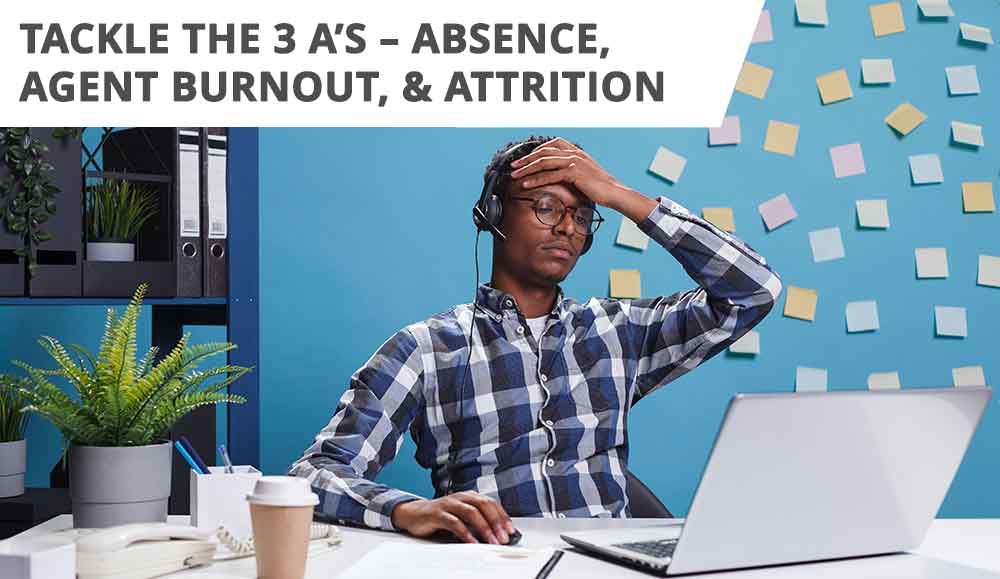
Proponents say quiet quitting is a form of work-life balance, where workers set reasonable boundaries with employers and managers who expect too much. It’s employees taking responsibility for their mental health and avoiding or healing from work-related burnout. This Office Topics article puts it this way, “The quiet quitting phenomenon is essentially the opposite mentality of ‘Hustle Culture’ where one’s career comes first, and everything else, including health, family, and friends, is an afterthought.”
Opponents see it as a passive-aggressive move by slackers who underperform. They see quiet quitters as people who are gaming the system by intentionally limiting their contributions to their employer for personal gain.
Why Now?
Why is the #QuietQuitting movement happening now? The easy answer is that the TikTok video popped in July. Yet, that video went viral for a reason – or set of reasons – that resonated with viewers.
There are a few contributing factors:
- COVID-19. The pandemic changed things. The global loss and struggles associated with the early pandemic and lingering health conditions added a layer of stress to our global community. COVID infections, illnesses, and deaths rocked our world. Vaccination debates created conflict in families and communities. And the lingering threats and realities of COVID, its variants, and long COVID will remain with us for the foreseeable future. COVID shined a light on the precious time we all have on this Earth.
- Demographics. Millennials and Gen Z collectively represent 46% of today’s workforce. They place a higher priority on work/life balance and a higher purpose at work than their older Gen X and Baby Boomer counterparts. Preferences and voices of Millennial and Gen Z workers carry more weight than ever before.
- Great Resignation. Starting in 2021 and continuing today, media highlighted a record number of people leaving their jobs since the beginning of the pandemic. Many see the Quiet Quit as a next phase of the Great Resignation, where employees chose to stay in their jobs but disengage from the hustle, demands, and expectations outside of core requirements that cause undue stress.
- Remote and Hybrid Work. A massive shift from traditional offices to virtual and hybrid work environments changed the way we live and work. Gallup is drawing a straight line between fully remote and hybrid young workers and a drop in engagement. Comparing data from 2022 to that of 2019, they found that the percent of actively disengaged employees under the age of 35 increased by six percent. In 2022, 12% fewer fully remote and hybrid young workers said they had someone at work who encouraged their development. “Disturbingly, less than four in 10 young remote or hybrid employees clearly know what is expected of them at work,” says Gallup. Virtual work environments have not been a positive development for younger workers.
A worldwide health outbreak that led to mass remote and hybrid work for a workforce that’s largely under age 35 created a “perfect storm” scenario ripe for quiet quitting.
Are Your Employees Quiet Quitting?
In a recent SHRM Research Institute survey of HR professionals, about 36% reported that quiet quitting is actively happening at their organization. Gallup puts the percentage higher, saying that quiet quitters make up at least 50% of the U.S. workforce – and probably more.
How do you know if it’s happening at your organization?
This Washington Post article urges employers to look beyond empty offices on Friday afternoons or lack of internet chatter as signs of disengagement. “Firming up boundaries between work time and personal time may look like slacking off – or it may mean workers are ensuring they are bringing their full, undiluted focus to work tasks, and then doing the same for their leisure time. Working differently doesn’t mean working less,” says the article.
Company leaders should dig deeper to assess the question of employee engagement, asking questions such as:
- Is the work we pay for actually getting done?
- Can we confirm that the work is good quality?
- Are customers satisfied?
- Are there pockets of employees who are disengaged?
- Are disengaged employees clustered with specific managers?
- What are your employees saying about their work? Their career paths? Their goals?
- What do employees identify as obstacles? What tools and resources help to support them?
If you’re using performance management software to track and manage workforce performance, initiate performance appraisals or performance management reviews to capture what’s happening right now. You’ll get some feedback from the conversations. Other information will come from your analysis. Look carefully at results because effective solutions to quiet quitting symptoms at your organization must address the underlying reasons for the behavior.
How to Combat Quiet Quitting
The SHRM Research Institute survey found that, for organizations experiencing quiet quitting, 60% said the organization’s culture led to the behavior. Qualitative data revealed “management issues (e.g., lack of engagement, communication issues, poor people management) and remote and hybrid work (e.g., poor supervisor support, lack of accountability) as common themes affecting workplace culture and encouraging quiet quitting.” Additionally, SHRM shared Harvard Business Review research that found “the least effective managers have three to four times as many people who fall in the ‘quiet quitting’ category compared to the most effective leaders.”
To discern underlying challenges or signs of distress, review your performance data and listen to feedback.
- Culture. If you hear that your culture is not what you thought or expected, work with a team to describe what you want your culture to look like. What are the behaviors and activities of leaders, managers, and employees? Communicate your vision. Update your competency model to measure how well managers and employees are building the culture you desire.
- Managers. If your managers are quiet quitting, you need to address that, first. Have your senior leaders connect with managers to assess the situation. You may need to reskill managers to succeed in a new hybrid environment.
- Communication and Connection. Work with managers to build relationships and trust with their team members. Encourage them to get to know each individual – their professional goals and strengths as well as their life interests. Be sure employees have meaningful conversations with their managers at least weekly.
- Opportunities and Performance. Use a competency-based approach to employee development, performance management, and career progression. A focus on competencies will create an environment of accountability and transparency without the biases that might otherwise skew an employee’s or manager’s assessment of one’s performance and readiness to explore the next opportunities at work.
The biggest danger of Quiet Quitting is the “quiet” part. If no one is talking about what’s happening, you can’t prevent it or make improvements. Instead, now is the time to be “loud” and transparent about your culture, your expectations, your resources, and the opportunities at your organization. By being proactive, you can create an environment where people want to work and a management team of leaders that people want to work with.
Is your organization ready to tackle the quiet quitting movement? Download our Competency Management Toolkit to see how a competency-based approach can help. Or contact us to find out how Avilar’s WebMentor Skills™ competency management system can support your efforts.
RELATED RESOURCES
The Great Resignation is Happening. Is Your Company Ready?
Stand by Me. The Latest Innovative Employee Retention Strategies
How to Choose the Best Performance Management Software for Your SME
5 Advantages of a Competency-Based Approach to Solving Workforce Issues