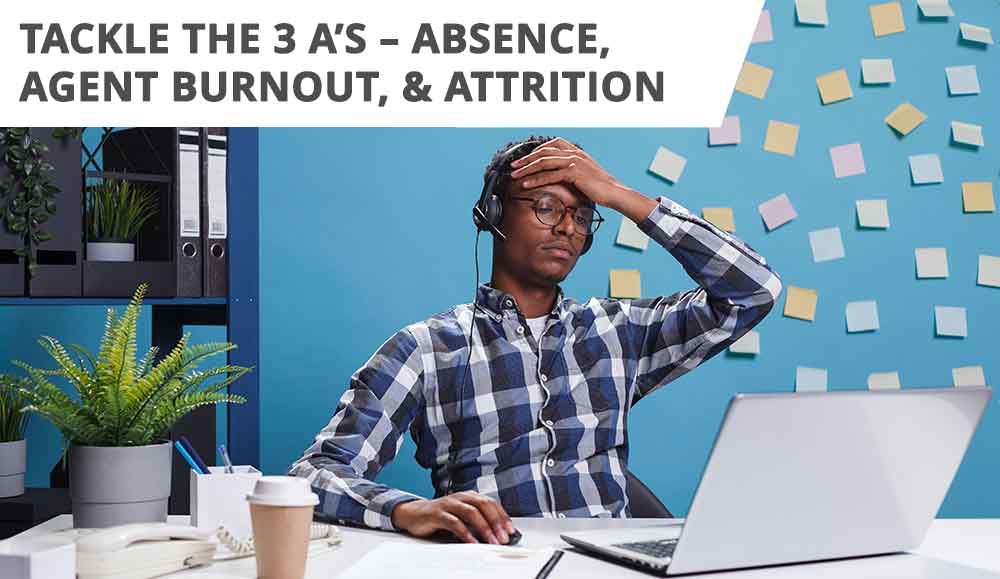


Sickness is part of the human condition, and various illnesses can impact people differently. We’ve all worked with people who have come to work sick (and maybe even been that person in the workplace) but doing so can increase the risk of spreading illness among coworkers. Additionally, sick employees tend to be less productive.
A Look at Paid Sick Leave Legislation
In the past, offering paid sick leave was up to each private employer’s discretion. Long-term sick leave is available under the Family and Medical Leave Act (FMLA), but this legislation doesn’t really apply to taking a day or two off to recover from a cold. It also doesn’t require that eligible employees receive pay for the time taken off to get better.
During the 2020 pandemic, legislators recognized the importance of staying home when sick, as well as the implications of doing so among those without access to paid sick leave. The Families First Coronavirus Response Act (FFCRA) included requirements for eligible employers to provide expanded family and medical leave, as well as paid sick leave, for reasons that related to COVID-19.
But the legislation has since expired, leaving the onus back on the states to determine whether applicable employers must require paid sick leave. Keep reading to determine whether your state has any laws in place and what may apply to your business.
Arizona
All employers in Arizona must provide paid sick leave. The accrual rate is one (1) hour for every 30 hours worked. The maximum annual usage for employers with 15+ employees is 40 hours, while the max for employers with fewer than 15 employees is 24 hours. The time can be used to care for the employee’s own health condition and need for care, treatment or diagnosis, as well as to care for a family member’s health need.
California
All employers in California with at least one (1) employee working 30+ days per year in the state must provide paid sick leave. The accrual rate is one (1) hour for every 30 hours worked, although the total amount may be frontloaded or accrued with alternate methods. The maximum annual accrual cap is 48 hours (or six days), while the minimum is 24 hours or three days.
Colorado
All employers in Colorado with at least 16 employees must provide paid sick leave. The accrual rate is one (1) hour for every 30 hours worked. The maximum is 48 hours per year, with the option to carry over the full 48 hours each year.
Connecticut
Employers with 50+ employees in Connecticut must provide paid sick leave. The accrual rate is one (1) hour for every 40 hours worked. The maximum is 40 hours per year, with the option to carry over the full 40 hours each year.
Maine
Employers in Maine with 10+ employees must provide paid sick leave. The accrual rate is one (1) hour for every 40 hours worked. The maximum is 40 hours per year.
Maryland
Employers in Maryland with 15+ employees must provide paid sick leave to employees who work at least 12 hours per week. The accrual rate is one (1) hour for every 30 hours worked. The maximum is 40 hours per year, and the time can be frontloaded at the start of the year.
Massachusetts
Employers in Massachusetts with 12+ employees must provide paid sick leave to employees. The accrual rate is one (1) hour for every 30 hours worked. The maximum is 40 hours per year, and the time may be carried over between years.
Michigan
Employers in Michigan with 50+ employees must provide paid sick leave to employees who work at least 25 hours per week, 26 weeks per year, from a primary work location in the state. The accrual rate is one (1) hour for every 25 hours worked. The maximum is 40 hours per year, and the time can be frontloaded at the start of the year.
Nevada
Employers in Nevada with 50+ employees and two years of history must provide paid sick leave to employees who work at least 12 hours per week. The accrual rate is 0.01923 hour for every one (1) hour worked. The maximum is 40 hours per year.
New Jersey
All employers in New Jersey with 50+ employees must provide paid sick leave to employees. The accrual rate is one (1) hour for every 30 hours worked. The maximum is 40 hours per year, and the time can be frontloaded at the start of the year.
New Mexico
All private employers in New Mexico with at least one employee must provide paid sick leave to employees. The accrual rate is one (1) hour for every 30 hours worked. The maximum is 64 hours per year, and the time can be carried over.
New York
All private employers in New York with at least five (5) employees must provide paid sick leave to employees. The accrual rate is one (1) hour for every 30 hours worked. The maximum ranges from 56 hours (100+ employees) to 40 hours (4 or fewer employees) per year, and the time can be frontloaded at the start of the year.
Oregon
Employers with 10+ employees or operating in large cities with 6+ employees in Oregon must provide paid sick leave. The accrual rate is one (1) hour or 1.33 hour for every 40 hours worked, depending on location. Frontloading is permitted, and the annual cap is 40 hours.
Rhode Island
All employers in Rhode Island with 18+ employees must provide paid sick leave to employees. The accrual rate is one (1) hour for every 35 hours worked. The maximum is 40 hours per year, and the time can be frontloaded and carried over.
Vermont
All employers in Vermont must provide paid sick leave to employees working at least 18 hours per week, on average. The accrual rate is one (1) hour for every 52 hours worked. The maximum is 40 hours per year, and the time can be frontloaded.
Washington
All employers in Washington must provide paid sick leave to employees. The accrual rate is one (1) hour for every 40 hours worked, with no annual accrual maximum in place.
No State-Specific Paid Sick Law in Effect
The following states have no specific paid sick law in effect that applies to all eligible employers. However, some of these states do have city- or county-specific legislation (marked with an asterisk).
- Alabama
- Alaska
- Arkansas
- Delaware
- Florida
- Georgia
- Hawaii
- Idaho
- Illinois*
- Indiana
- Iowa
- Kansas
- Kentucky
- Louisiana
- Mississippi
- Missouri
- Montana
- Nebraska
- New Hampshire
- North Carolina
- North Dakota
- Ohio
- Oklahoma
- Pennsylvania*
- South Carolina
- South Dakota
- Tennessee
- Texas
- Utah
- Virginia
- West Virginia
- Wisconsin
- Wyoming
States with City-Specific Legislation
Some of the states outlined below have statewide laws in effect, while others do not. They do have cities, counties, or other areas with laws around paid sick leave for eligible employers.
California: In addition to the state law, some cities have implemented additional regulations around paid sick leave. These include Berkeley, Emeryville, Long Beach, Los Angeles, Oakland, San Diego, San Francisco, and Santa Monica.
Illinois: Chicago employers that have at least one employee and are subject to at least one of the city’s licensing requirements must provide paid sick leave. The accrual rate is one (1) hour for every 40 hours worked. The annual accrual cap is 40 hours. Cook County also has similar requirements, although the eligibility is based on the number of hours worked by an employee.
Maryland: Employers in Montgomery County must provide up to 80 hours of paid sick leave to employees who work at least 8 hours per week. The accrual rate is one (1) hour for every 30 hours worked.
Minnesota: Requirements are in effect in Duluth (1 hour for every 50 hours worked, employers w/5+ employees, employees working 80+ hours in a year), Minneapolis (1 hour for every 30 hours worked, up to 48 hours per year, employers with 6+ employees, employees who work at least 80 hours per year), and St. Paul (1 hour for every 30 hours worked, up to 48 hours, employers w/1+ employees and physical location in the city, employees working 80+ hours in a year)
New Mexico: Employers in unincorporated Bernalillo County, NM with at least two (2) employees must provide one (1) hour for every 32 hours worked, up to 56 hours per year.
New York: Employers in New York City and Westchester County with 5+ employees must provide 1 hour for every 30 hours worked, up to 40 hours per year.
Pennsylvania: Allegheny County employers with 26+ employees must provide one (1) hour for every 35 hours worked, up to 40 hours per year (some exemptions apply). Philadelphia employers with 10+ employees and chain establishments must provide one (1) hour for every 30 hours worked up to 40 hours, and Pittsburgh employers must provide 35 hours per year to all employees performing work within the city.
Washington: Employers in Seattle and Tacoma must provide up to 1 hour for every 30 hours worked with no annual accrual (depending on employer size) to employees who meet annual hours worked minimums.
Washington, D.C.: All employers in Washington, D.C. must provide paid sick leave. The requirements are three (3) days for employers with 24 or fewer employees, five (5) days for employers with 25-99 employees, and seven (7) days for employers with 100+ employees. The accrual rate is 1 hour for 387/43/37 hours worked (depending on employer size).
Manage Compliance Requirements with WorkforceHub
It’s easy to see how managing and awarding paid sick time can get overwhelming, particularly for smaller business owners who already have a lot of tasks on their to-do lists.
Find out how WorkforceHub can help your business manage accruals and maintain compliance with local laws. Whether your accruals needs are simple or complex, we’ve got you covered.