

#4 – Competing for skilled workers
There is steep competition for top talent in every industry, utilities included. Longtime utility workers are looking toward retirement, putting pressure on utilities to engage their skilled workers and attract more young workers to the industry.
Utilities can improve employee satisfaction by using employees’ time wisely, providing training opportunities, and acting on their feedback. Deploying the right technology is another way to improve the employee experience: more than 60% of utility workers feel that their workplace technology needs to be updated.
The right scheduling software—coupled with thoughtful scheduling strategies—can help utilities overcome talent gaps:
- Ensure time is well-spent by matching workers to jobs that match their skills and qualifications
- Assign workers to a reasonable, attainable number of jobs, considering the complexity of each
- Use real-world job data to set reasonable goals for employees (and evaluate performance afterward)
- Equip workers with the technology the need to access job details, order histories, inventories, and troubleshooting and safety info
#5 – Heavy regulation in utilities industries
Utility companies operate in a highly regulated space where service level agreements (SLAs), local permits, safety regulations, and environmental standards loom large. Compared to other industries, and even other field service disciplines, utility companies must navigate many regulatory requirements.
In addition to the regulations that specifically govern energy, water, and other utility work, there are other, broader regulations to consider. Collecting credit card payments from customers requires complying with the Payment Card Industry Data Security Standard (PCI DSS). Introducing new technology also means additional privacy and data security requirements; depending on where the utility operates, the company may need to comply with ISO 27001:2013, GDPR, CCPA and CPRA, or other standards.
Failure to comply with these regulations results in hefty fines, loss of customer trust, and disruptions in service. Luckily, scheduling software can help with regulatory needs:
- Maintain records to meet audit and reporting requirements
- Optimize the schedule according to compliance goals, like restoring service within X time frame
- Reduce travel time and rework to meet energy use standards\
#6 – Hybrid workforces
Utility workforces commonly include full-time, part-time, and contract workers—especially considering the rise of remote work and the talent shortage in utilities.
If utility companies can thoughtfully manage a hybrid workforce, it can help overcome the talent gap. 42% of young, non-utility workers said that flexible work arrangements would make a utility career more attractive to them.
With smart scheduling tools, utility leaders can balance the benefits and challenges of a hybrid workforce:
-
- Use a unified platform that syncs data in real-time so workers and managers can get the data they need
- Create schedules that automatically account for employees’ locations (home vs. the office vs. another job site)
- Analyze and optimize the schedule with the help of software, accounting for availability and preferences
#7 – High customer expectations
Customers have high expectations for every service—including utility work. Customers can compare prices before they choose a service, and they can leave reviews about their experience for future prospects to see.
Changing customer expectations will require changes to the utility business. For example, in the past, it was acceptable to provide a long, imprecise “arrival window” to a customer. Now, customers expect a more precise arrival time, and they want to be notified if something has changed.
Improving the customer experience is a top priority for the energy and utility industry, and it starts with meeting expectations for transparency, streamlined communication, and fast and reliable service.
There are several ways smart scheduling will help utilities meet and exceed these expectations:
- Set precise appointment times that account for travel, estimated job length, and other variables
- Send automated appointment reminders to customers
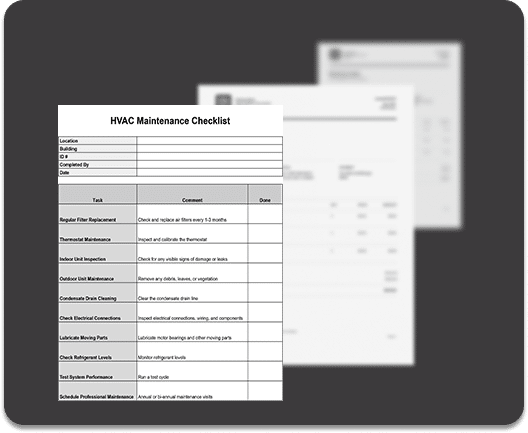
- Create a planned maintenance schedule to keep customers informed and extend the life of key equipment
- Give customers self-service options to schedule and adjust appointments from any device
- Enable workers to review job data and customer history before the job to increase first-time fix and first-time install rates
- Collect data that can be used to identify problem areas and make improvements
#8 – Complex and sequential work
Complex, multi-stage utility projects require workers to perform their specific part of the project at the right time. Scheduling these kinds of projects manually is incredibly challenging.
When sequential tasks are overlapping, one of two things can happen: Skilled workers arrive on site well before they are needed, which is a waste of valuable time that could be spent on other jobs. On the other hand, if technicians arrive after they are needed, it will delay the subsequent steps in the process.
To schedule workers effectively for complex, sequential jobs, utilities need to maintain high standards for their company data. Poor data management means more time spent finding and organizing data, and less time using the data to create accurate schedules—resulting in huge amounts of lost profit every year.
Smart scheduling software helps manage multi-stage utility projects in a few ways:
- Use job dependencies to sequence multiple crews with different skills
- Automatically reassign workers to a different job when there is a delay on the original site
- Give managers visibility into where teams are located, what work they are completing, and where they go next
- Generate schedules and share changes quickly to avoid teams sitting idle